
Scratching overhead at two in the morning? Droppings behind the kitchen toe-kick? Priority Pest Management handles rodent control in Coquitlam by dealing with the cause rather than the symptom. We find how they are getting in, seal it, trap what is already inside, and come back twice to confirm it worked.
Request Our Service%201.svg)
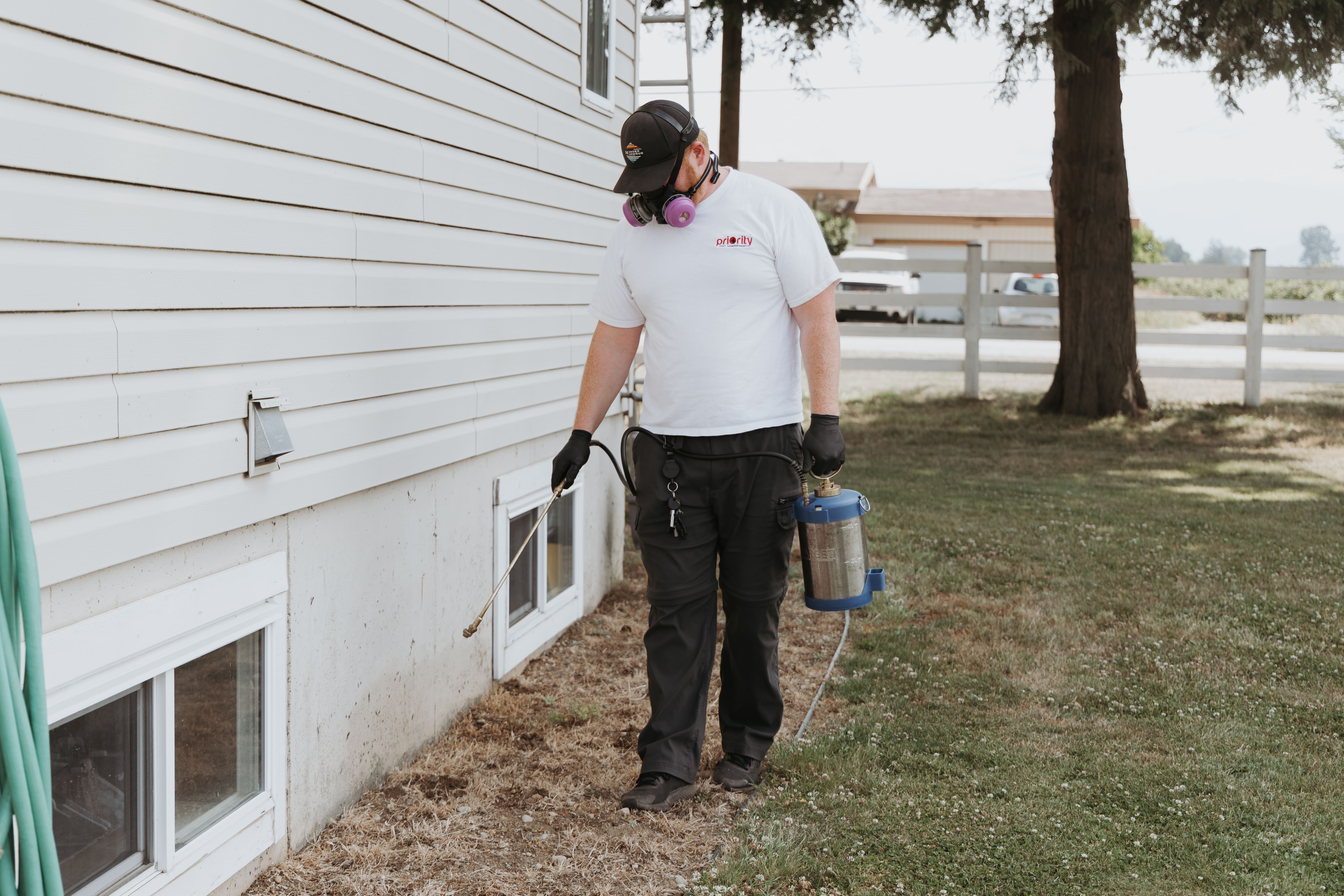
Rodents multiply faster than most people expect. A pair of mice becomes a dozen inside a couple of months, and a rat family in the attic insulation does real damage before anyone notices. Setting traps on their own does not solve that. If the gap they used is still open, the next ones simply walk in behind them. Our work starts with finding the access point, because everything after that depends on it.
Where you live in the city changes how they get in. On Burke Mountain and Westwood Plateau, homes sit against forested hillside, so rodents arrive at roof level rather than ground level, through vents, soffit gaps and overhanging branches. Along Hoy Creek, Scott Creek and the Coquitlam River, the ravines act as travel corridors and activity climbs every autumn no matter how tidy a property is kept. South of Como Lake, in Austin Heights and Maillardville, the housing is older and the gaps come from settled foundations, original crawl spaces and worn weatherstripping. In Town Centre, mice move between units through shared wall voids and plumbing chases.
Get Your Quote
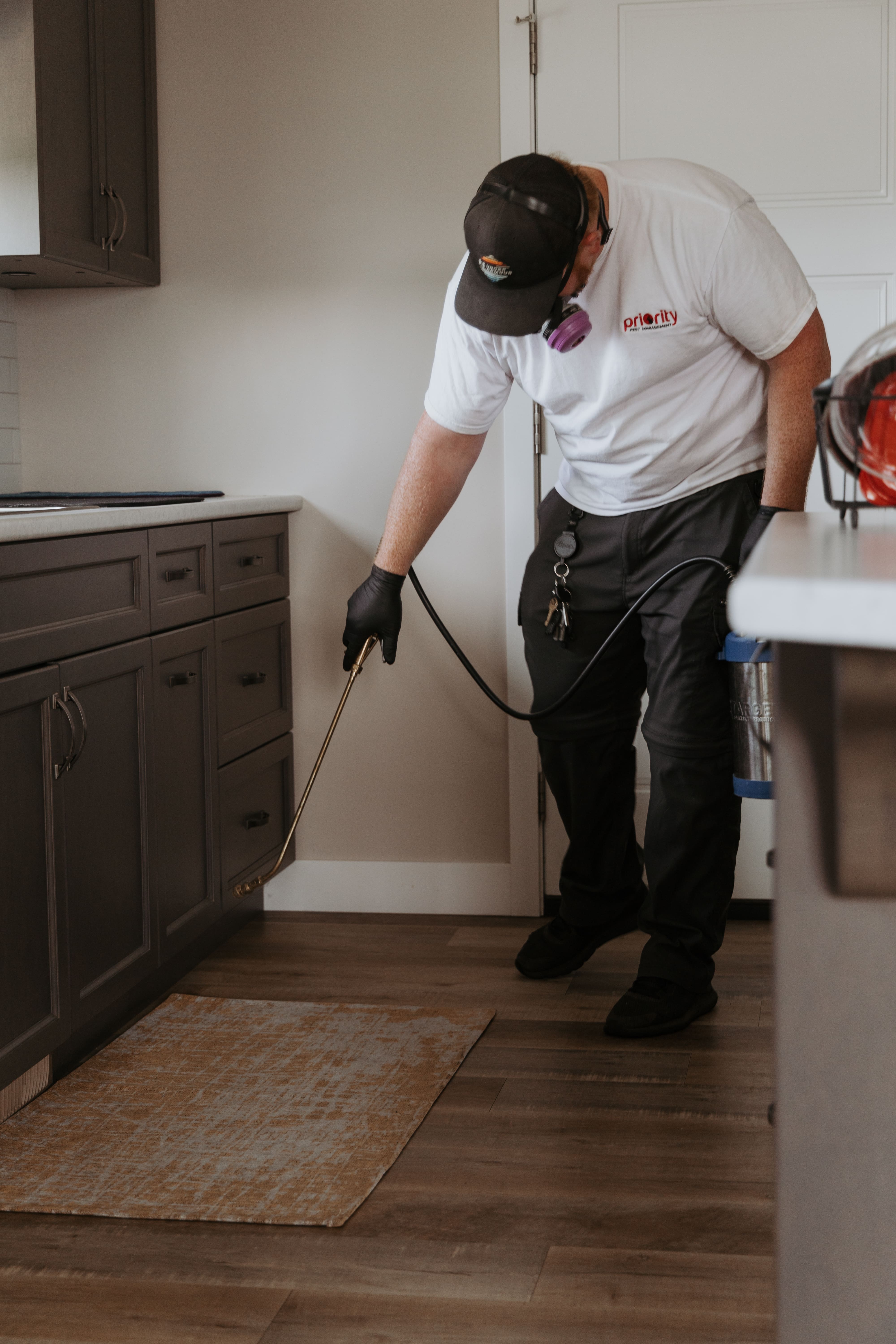
Small dark droppings along baseboards or near food packaging mean mice, and it means they are already inside rather than thinking about it. Larger droppings, 12 to 20 mm, mean rats. Either way, finding them in a kitchen or pantry raises the urgency, because everything they cross gets contaminated.
Noise tells you which one you have. Light, quick scurrying in walls points to mice. Heavier scratching or thumping overhead at night usually means rats, which are bigger, louder and considerably more destructive.
Then there are the marks. Greasy smears along walls where they rub past, gnawed holes near pipes and vents, shredded insulation pulled into a nest, and a stale musky smell in rooms nobody uses. Chewed wiring is the one that matters most, because that is a fire risk rather than a nuisance.
We cover the whole city, from Burke Mountain and Westwood Plateau through Town Centre, Austin Heights and Maillardville, plus the wider Tri-Cities. If you are dealing with something other than rodents, our general pest control in Coquitlam covers ants, wasps, spiders and the rest.
Click on a pest to learn about warning signs, root causes, and our proven elimination strategies.

Rats are searching for food, warmth, and shelter. They often gain access through gaps in the foundation, wall vents, open garage doors, or easily accessible gutter lines and roof points. Cluttered yards, garbage, and pet food attract them to the property.
We begin with a thorough inspection to identify entry points and nesting zones. All accessible entry points are professionally sealed, and tamper-resistant traps are placed in high-activity areas. We return for two follow-up visits to monitor and adjust traps, ensuring the issue is fully resolved.

Mice enter through tiny gaps — as small as a dime — in search of food and shelter. Cold weather, food crumbs, and poorly sealed structures make homes ideal nesting grounds.
We perform a full inspection to find entry points and nesting sites, then seal off all accessible entry points. Traps are strategically placed in high-activity areas. Follow-up visits ensure traps are cleared and that no new activity is present.

Ants follow scent trails to food or water. They’re often drawn inside by crumbs, spills, or moisture.
We target nests using gel baits, perimeter sprays, and barrier treatments — safely eliminating ants at the source.

Wasps are attracted to sugary food and protein. They often build nests in sheltered areas like attics, soffits, or trees.
We locate and safely remove nests using professional-grade aerosols and protective equipment — with follow-up to prevent re-nesting.

Silverfish love moisture and darkness. They feed on starchy items like paper, books, cardboard, and even clothing.
We apply targeted residual insecticides and monitor for activity. Our moisture management and exclusion services help ensure long-term control.

Grubs are beetle larvae that feed on grassroots. They thrive in well-watered lawns and lay eggs in summer.
We apply seasonally timed grub control treatments, reducing larval populations and protecting your lawn from further damage.

Moles tunnel in search of earthworms and grubs. Well-irrigated, healthy lawns are ideal hunting grounds.
We identify active tunnels, set effective underground traps, and return for multiple follow-ups to eliminate mole activity fully.

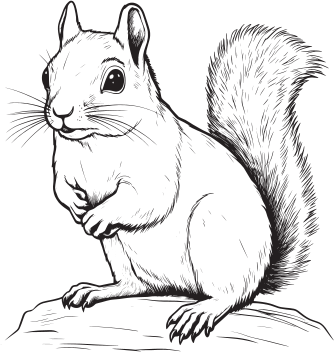
Squirrels commonly enter homes through roof gaps, soffits, or vents, looking for a safe, warm place to nest — especially during colder months or baby season. Nearby trees or roof access points make entry even easier.
We install one-way exclusion doors that allow squirrels to exit safely but not return. Once we’ve confirmed all squirrels have left the structure, we seal up all entry points to prevent re-entry, keeping your home protected long-term.

Roaches thrive in warm, humid areas with access to food. Even clean homes can attract them via grocery bags or plumbing voids.
We use professional-grade baits, dusts, and insect growth regulators, combined with crack-and-crevice treatments for full elimination.

Bed bugs hitchhike on luggage, furniture, or clothing. They are drawn to body heat and carbon dioxide.
We offer detailed inspections and multi-step heat or chemical treatments to eliminate all life stages — with follow-up support included.

Spiders are drawn to dark, quiet areas and enter homes while hunting for insects.
We use targeted residual sprays, remove webs, and seal entry points to reduce spider presence inside and out.
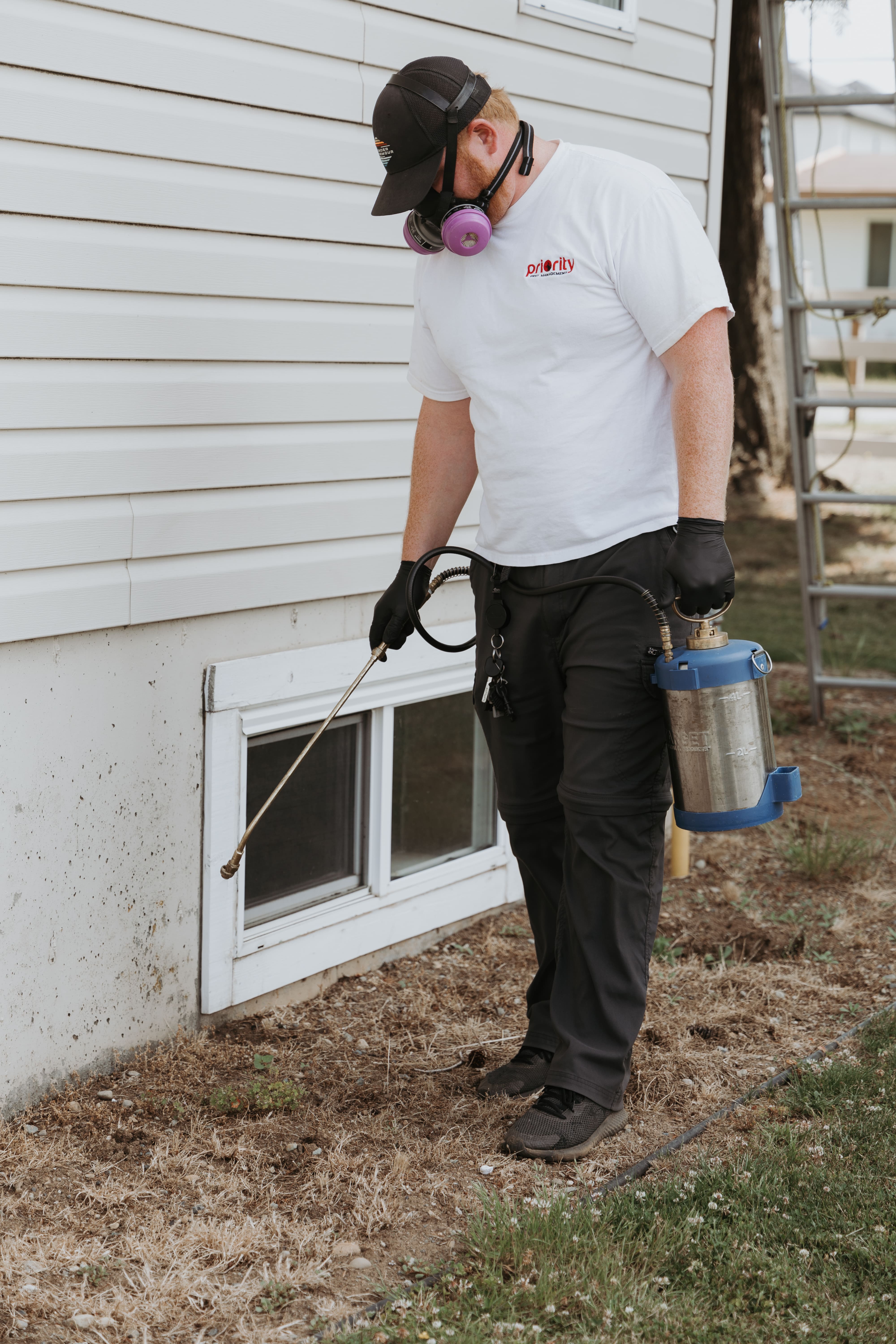
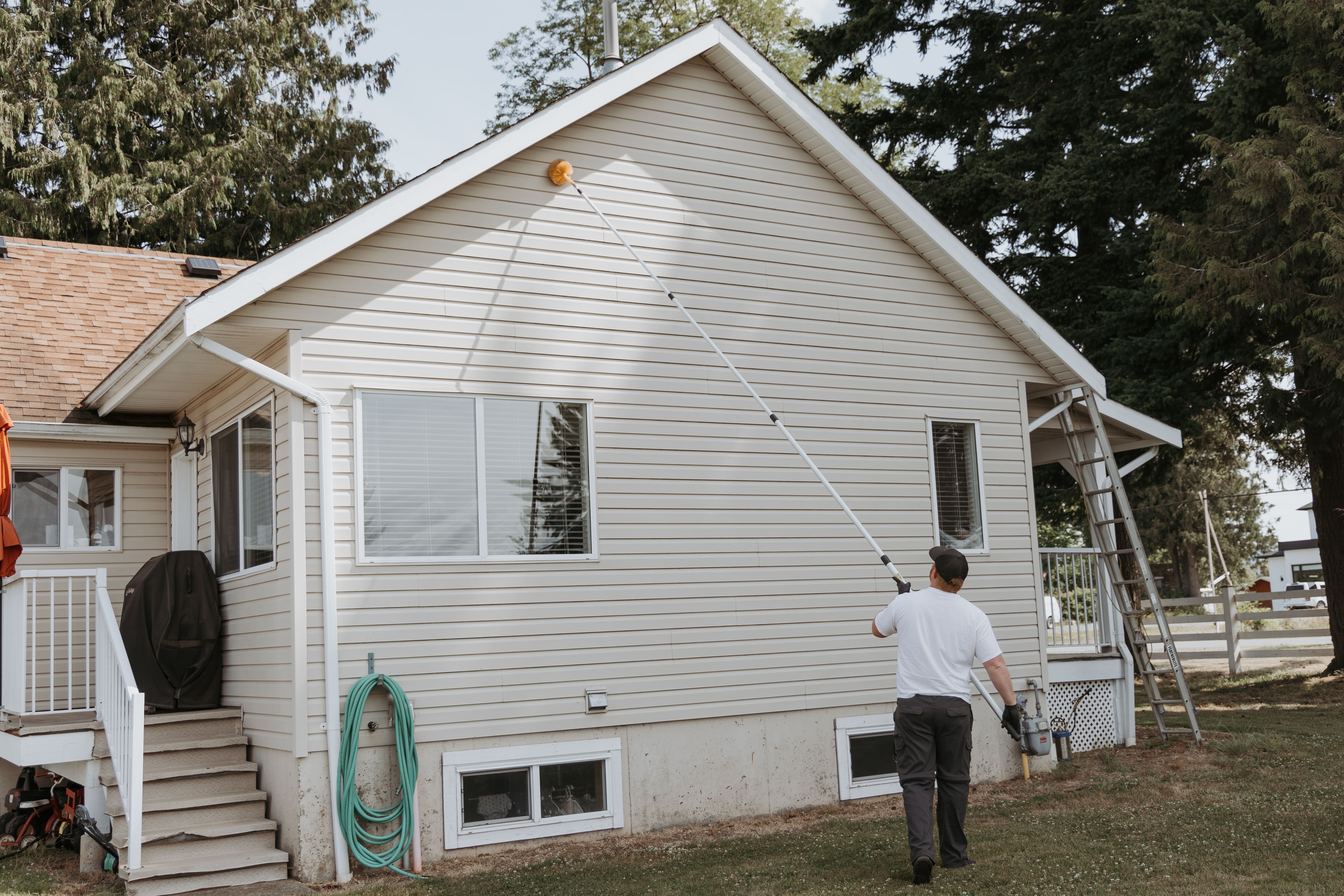
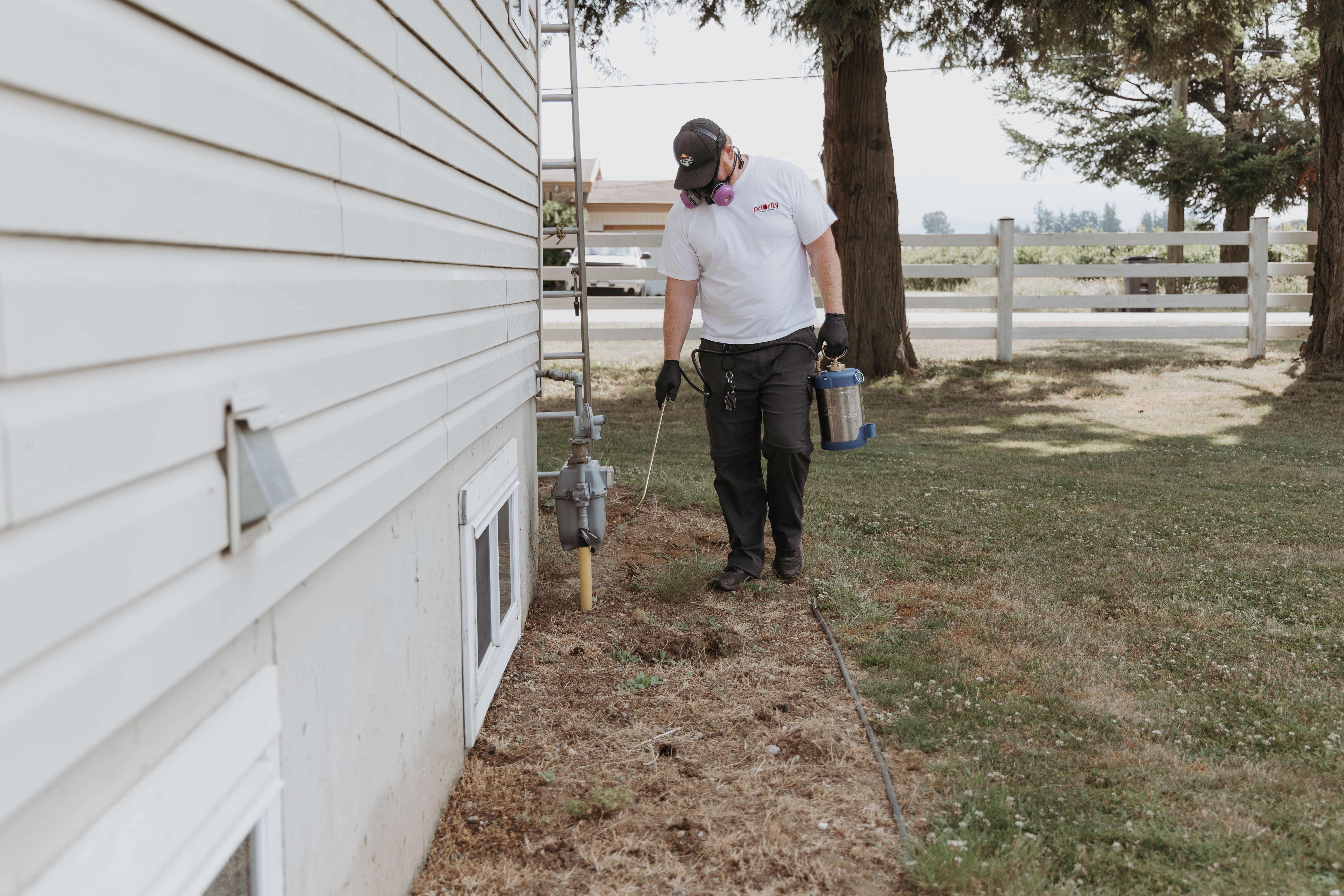

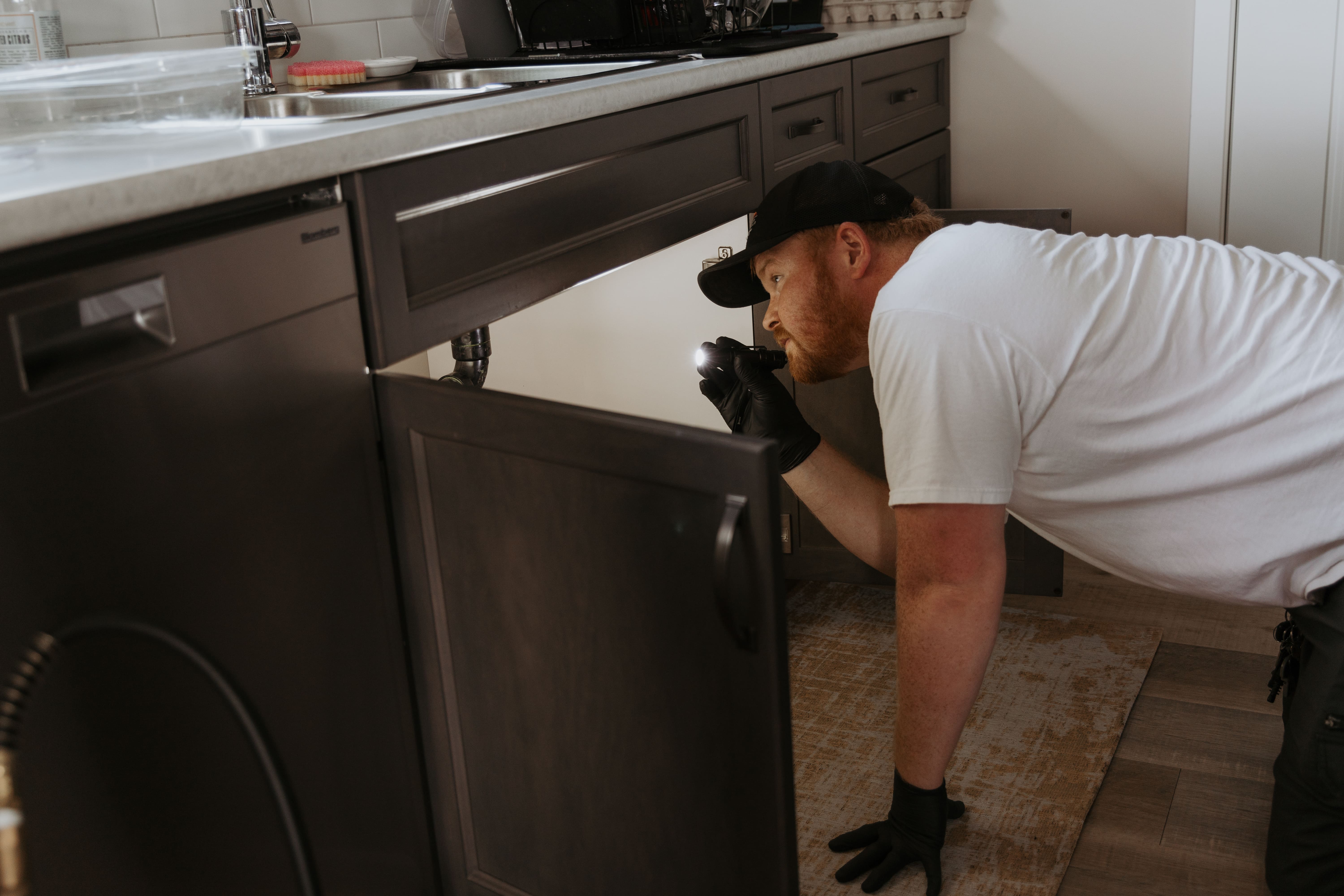
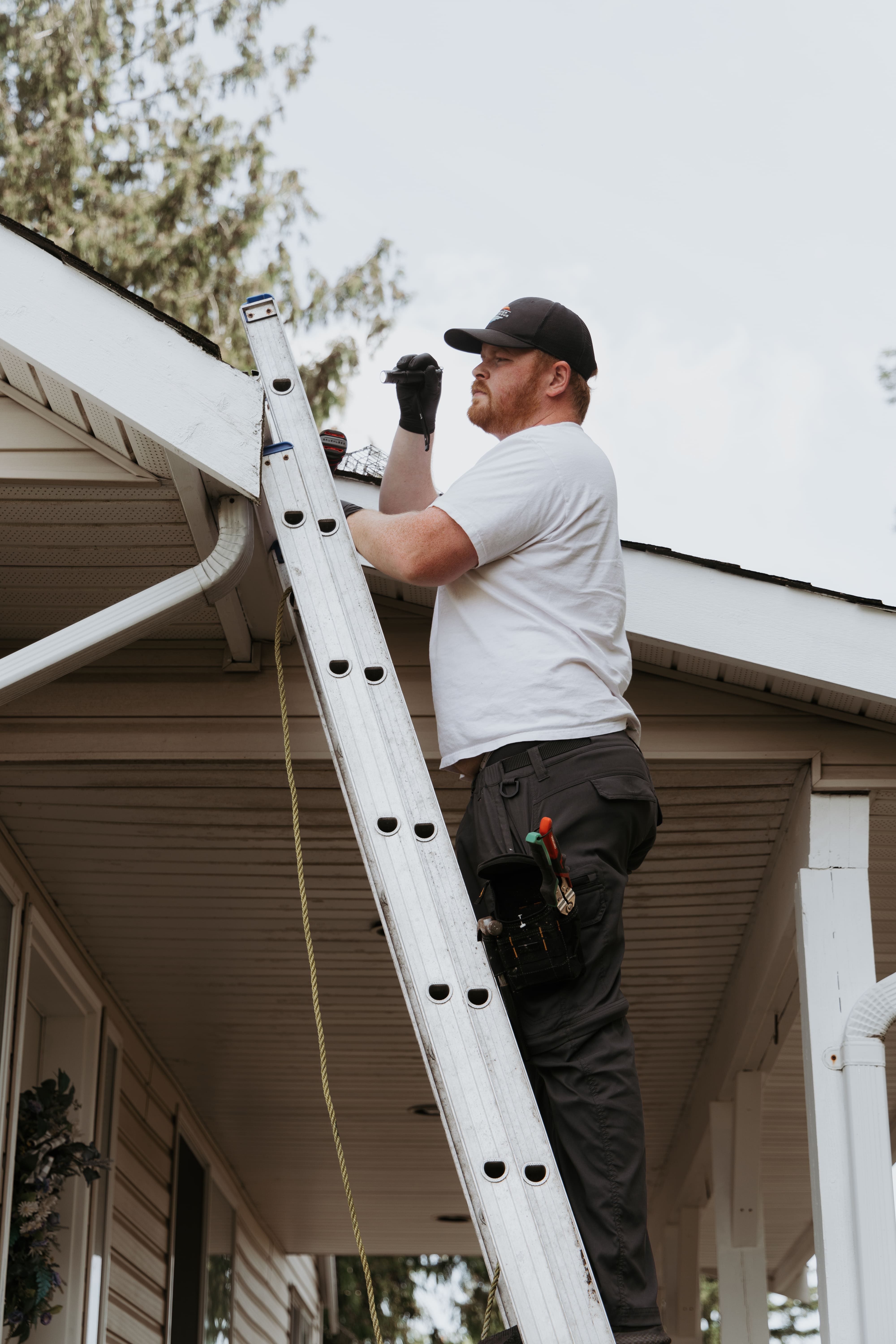
We start with a full inspection, inside and out, covering the crawl space, attic, foundation line, roof penetrations and utility entries. The point is to find how they are getting in and where they are nesting, not just confirm that something is there.
Every accessible entry point gets sealed with materials rodents cannot chew through. A mouse fits through a gap the width of a dime and a young rat through a quarter inch, so this step is more detailed than it sounds. Tamper-resistant traps then go along the active runs, placed where the evidence says they travel rather than wherever is convenient.
Two follow-up visits finish it. We clear and reset traps, reposition anything that has not produced activity, and re-check the sealed points. Rodents will work at a repair if they are motivated, and the second visit is where we confirm the problem is genuinely over rather than just quiet.


.svg)


Every day rodents are inside means more droppings, more damage and more risk to the wiring. We are local, we respond quickly, and the initial inspection is free, so you can find out how far it has gone before committing to anything.

Our Support and Sales team is available
24 /7 to answer your queries

