
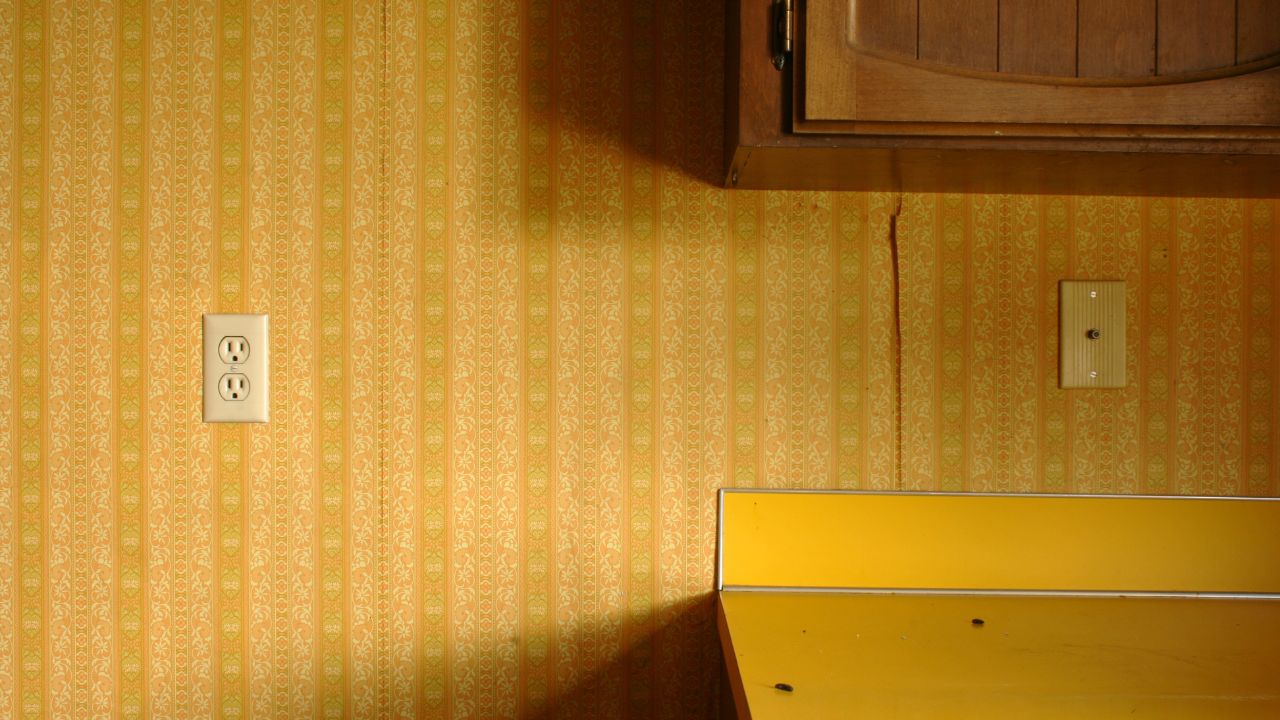
You pulled a box off the garage shelf and there they were. Small, dark, scattered along the back edge where you never look. Now you want to know two things: what left them, and how worried you should be.
Rat droppings are 12 to 20 mm long, roughly the length of a raisin or an olive pit, and dark brown to black when fresh. They are noticeably thicker than anything a mouse leaves behind, and you can pick out individual droppings without crouching down. If you are squinting to see them, you are probably not looking at rat droppings.
That is the short answer. The detail matters though, because the shape tells you which species you are dealing with, and that changes how the problem gets solved.
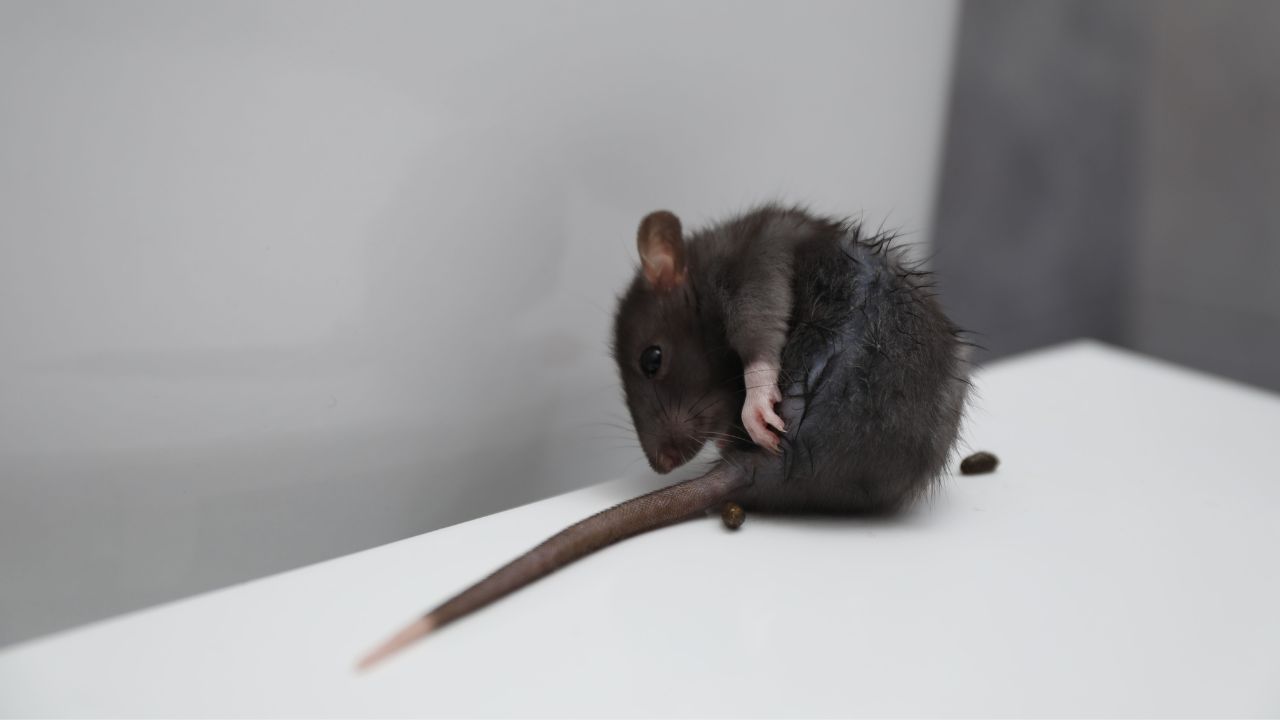
Both species live in the Fraser Valley, and their droppings look different enough to tell apart once you know what to check.
Norway rat droppings are the larger of the two, usually 18 to 20 mm. They are thick and capsule shaped, with blunt, rounded ends, a bit like a fat grain of rice scaled up several times. Norway rats are ground dwellers, so their droppings turn up in basements, crawl spaces, along foundation walls and near garbage storage.
Roof rat droppings run smaller, around 12 to 13 mm, and they are slimmer with a slight curve to them. The ends taper to a point rather than sitting flat. Roof rats climb, so you find these in attics, on top of ceiling joists, along rafters and in upper cupboards.
Knowing which one you have shapes the whole treatment. Baiting a Norway rat problem at ground level does nothing if the animals are living in your attic and travelling along the roofline.
Most people who find droppings are not certain they came from a rat at all. Here is how the common possibilities compare.
Mouse droppings are 3 to 6 mm, about the size of a grain of rice, and pointed at both ends. The difference in scale is dramatic when you see them side by side. Mice also leave far more of them, scattered widely rather than concentrated, because they nibble constantly as they travel.
Squirrel droppings are the ones most often mistaken for rat. They fall in a similar size range but tend to be more barrel shaped with rounded ends, and they are usually a lighter brown that fades toward tan as they age. Squirrel droppings also cluster in attics near entry points, whereas rat droppings follow travel routes along walls.
Cockroach droppings are much smaller and look like coarse ground coffee or black pepper. Larger species leave ridged, cylindrical pellets with blunt ends, but nothing approaching rat size.
Bat guano looks similar to rat droppings at a glance but breaks apart into shiny fragments when disturbed, because it is made almost entirely of digested insect shells. It also accumulates in neat piles under a roost rather than spreading along a path.
This matters more than most people realise, because it separates an active problem from evidence of one you already solved.
Fresh droppings are dark, soft and slightly shiny, with a putty-like texture. Within two or three days they dry, dull down, and start shifting toward grey. Older droppings turn chalky and crumble easily.
Do not crush droppings with your bare hands to test this. Judge by colour and shine, and if you need a closer look, wear gloves and use a stick or the edge of a card. Handling dried rodent mess is exactly the activity that creates a health risk.
Finding a mix of fresh and old droppings in the same area tells you something useful: the activity has been going on for a while, and it has not stopped.
Rats do not scatter droppings at random. They follow the same routes night after night, hugging walls and edges because open floor space makes them feel exposed. Droppings accumulate along those runs.
Common spots include the back of kitchen cupboards and under the sink, along baseboards in quiet rooms, inside crawl spaces and around foundation vents, in attic insulation and on ceiling joists, behind appliances, in garages near stored pet food or birdseed, and in sheds and outbuildings.
The pattern is diagnostic. Droppings concentrated in one corner usually mean a nest nearby. Droppings spread along a line mean you have found a travel route, which is exactly where traps belong.
.jpg)
A single rat produces 30 to 50 droppings a day. That number surprises people, and it reframes what a small find actually means.
A handful of droppings in one location points to recent activity, likely a single animal. Droppings in several separate areas of the house, or a concentrated accumulation in a corner, suggests an established population with a nest inside the structure. By the time droppings are obvious in living areas rather than storage spaces, the population has usually outgrown its hiding places.
Rats also breed quickly. A pair can produce a litter every three weeks or so under good conditions, which is why a problem that seemed minor in September can feel entirely different by November.
Yes, and it is worth being precise about how.
Rat droppings and urine can carry leptospirosis, salmonella and rat bite fever. Contaminated food, surfaces and water are all realistic transmission routes, which is why droppings in a kitchen or pantry warrant more urgency than droppings in a shed.
On hantavirus, there is a lot of misinformation on pest control websites. In British Columbia, deer mice are the only rodent considered a significant source of hantavirus. It is not a rat-borne illness here. That said, the safety precaution is identical regardless of which rodent left the mess, and it is the single most important thing in this article.
The critical rule: never sweep or vacuum dry rodent droppings. Both actions send contaminated particles airborne, straight into the space you are breathing. This is the mistake that turns a nuisance into a health exposure.
HealthLink BC recommends airing out closed spaces before you go in, wearing gloves and a mask, and cleaning with a wet mop and disinfectant rather than sweeping or vacuuming.
Working order:
Open doors and windows and leave the area for at least 30 minutes before you start. Put on rubber or plastic gloves, plus a mask and eye protection if the space is enclosed. Spray the droppings and the surrounding surface with disinfectant or a bleach solution until thoroughly wet, then leave it to soak for the contact time on the product label. Wipe up with paper towel, seal it in a bag, and put that in a covered outdoor bin. Disinfect the whole surface afterward, then wash your hands thoroughly, gloves still on, before removing them.
If the contamination is extensive, if it is in insulation or ducting, or if it is anywhere you cannot ventilate properly, that is a job for a professional rather than a Saturday afternoon. If you develop flu-like symptoms in the weeks after cleaning up rodent mess, see a doctor and mention the exposure.
Here is the part that gets missed. Removing droppings removes the evidence. It does not remove the rats, and it does not close the gap they used to get in.
Rats get in through openings you would not think twice about, a quarter of an inch is enough for a young one. Gaps around pipe penetrations, damaged vent covers, spaces under garage doors, and settled foundation cracks are the usual culprits. Until those are sealed, new droppings will appear within days of the last cleanup.
A proper job runs in order: inspect to find entry points and nesting zones, seal every accessible opening, place tamper-resistant traps along the active runs, then return to check them and confirm the activity has stopped. That last step is the one DIY attempts almost always skip, and it is the reason so many rat problems come back.
.jpg)
Call if droppings are turning up in food preparation areas, if you are finding them in more than one part of the house, if you can hear scratching or scurrying in walls or ceilings at night, if there is contamination in insulation or ducting, or if you have cleaned up once already and they came back.
Priority Pest Management handles rodent control across Abbotsford, Surrey, Langley, Chilliwack, Maple Ridge, and Pitt Meadows. The initial inspection is free, so you can find out what you are dealing with before committing to anything. Call 604-613-2015 or get in touch here.
How big are rat droppings compared to mouse droppings?
Rat droppings are 12 to 20 mm long. Mouse droppings are 3 to 6 mm. That is a three to five times difference in length, and rat droppings are noticeably thicker as well. The simplest test is distance: if you can clearly make out an individual dropping while standing over it, it came from a rat. Mouse droppings need a closer look.
Do rat droppings smell?
The droppings themselves have little odour, but an active rat problem does. What people notice is a stale, musky, ammonia-like smell that builds up in enclosed spaces such as crawl spaces, wall cavities and cupboards. That smell comes mostly from urine, which rats deposit constantly as they travel. If you can smell it, the activity is usually well established.
Can you get sick from touching rat droppings?
Direct contact is a risk, but the bigger one is inhaling particles from dried droppings that have been disturbed. Rat droppings and urine can carry leptospirosis, salmonella and rat bite fever. Wear gloves, never sweep or vacuum dry, wet everything with disinfectant first, and wash your hands thoroughly afterward. See a doctor if you develop flu-like symptoms in the weeks following a cleanup.
How long do rat droppings stay hazardous?
Old droppings are still worth handling carefully, because bacteria can persist well after the droppings have dried out and lost their colour. Age is not a reason to relax the precautions. Treat a two-month-old accumulation in an attic the same way you would treat fresh droppings under the sink.
How do I know whether the rats are still there?
Clean the area completely, then check it again in three or four days. Fresh droppings mean active rats. No new droppings is a good sign, though not proof on its own, since rats sometimes shift routes after a disturbance. Pair it with the other indicators: scratching sounds at night, gnaw marks, greasy rub marks along baseboards, and a musky smell that has not faded.
This article is general information, not medical advice. If you are concerned about an exposure or have symptoms after contact with rodent droppings, contact a health care provider or call HealthLink BC at 8-1-1.
Our Support and Sales team is available
24 /7 to answer your queries

