
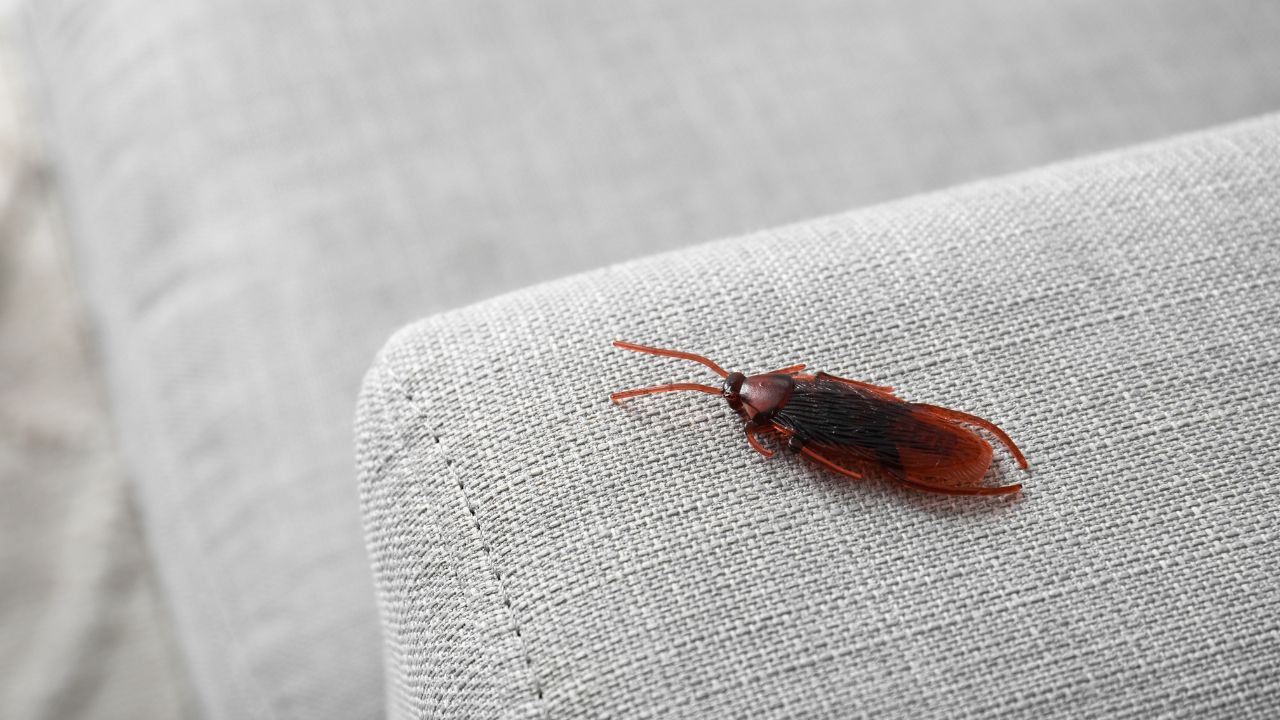
You flicked the kitchen light on and something shot under the fridge. Now you're standing there wondering whether that was a one-off or the start of something.
Fair warning: a cockroach in the house is almost never a one-off. They are nocturnal and they are very good at staying out of sight, so by the time you see one in the open, there are usually more you haven't seen. The good news is that catching it at this stage is far easier than catching it in three months.
Four species turn up in BC homes, and knowing which one changes how urgent the situation is.
If what you saw was small, light brown and striped, treat it as urgent.
.jpg)
Cockroaches reproduce through egg cases, and a single female produces them repeatedly over her life. Each case holds dozens of nymphs. The maths gets away from you quickly, which is why a problem that seems minor in October can be a genuine infestation by February.
They also hide extremely well. A cockroach flattens itself into a gap the width of a coin, and the population sits in wall voids, behind appliance motors, inside cabinet joints and under floor trim. What you see in the open is a small fraction of what is there.
One more thing worth knowing: seeing cockroaches during the day is a bad sign. They are nocturnal by preference, so daytime activity usually means the hiding spots are crowded.
Health Canada's guidance is direct on this point: pesticides alone will not solve a cockroach problem, because the living environment has to be physically changed first. That reframes the job. You are removing what they need, not just killing what you can see.
They need three things:
It's also worth knowing how they arrive, because it is rarely through the front door. Egg cases hitch a ride in on used furniture, cardboard shipping boxes, grocery items and returnable bottles. In apartments and townhouses they also travel between units through shared wall voids and plumbing chases, which means a spotless home can still get them from a neighbour.
.jpg)
This is the reason a cockroach sighting in a kitchen carries more urgency than most other household pests.
If you do try a product yourself, check for a Pest Control Products number on the label, which confirms Health Canada has approved it for that use.
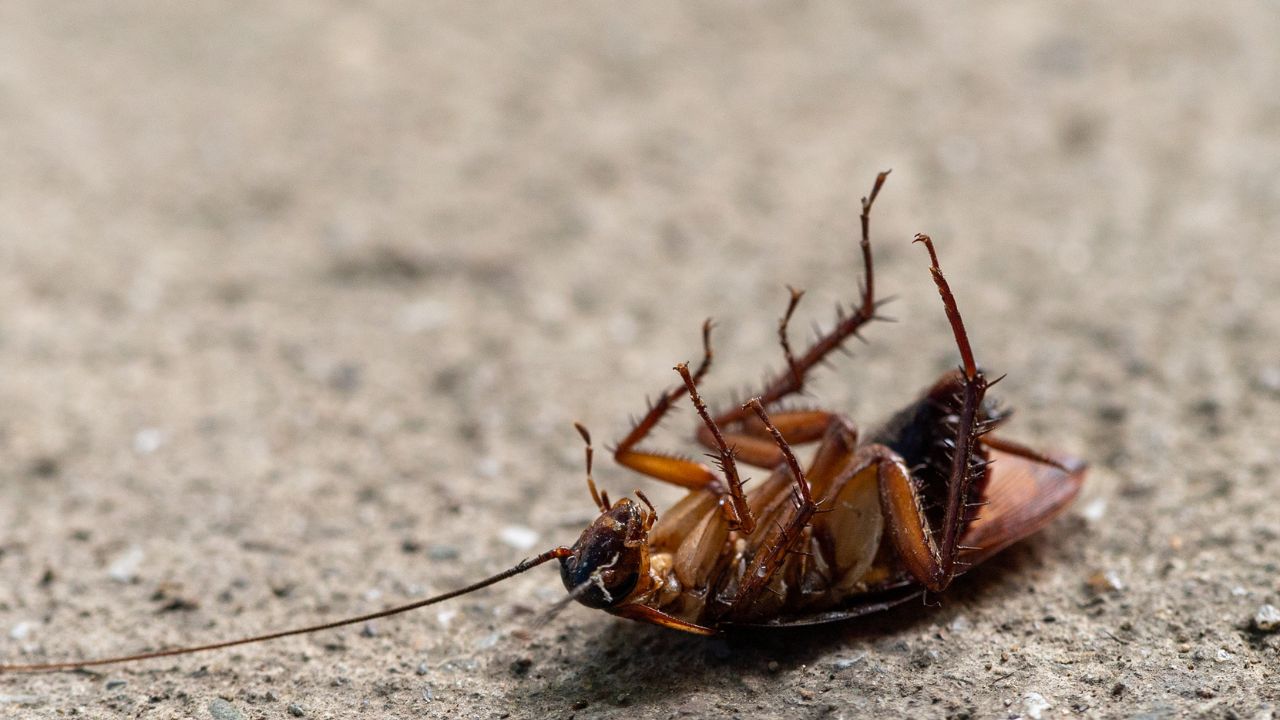
Call if you have seen more than one, if you have seen any during the day, if you have found droppings or egg cases, if you live in a multi-unit building where a neighbour has reported them, or if you have already treated it and they are still appearing.
Priority Pest Management handles cockroach control across Coquitlam, Abbotsford, Surrey, Langley, Chilliwack, Maple Ridge and Pitt Meadows. The initial inspection is free, so you can find out how far it has spread before committing to anything. Call 604-613-2015 or get in touch here.
Does one cockroach mean an infestation?
Not always, but it usually means more than one. Cockroaches avoid open spaces and daylight, so a sighting suggests either the population has grown enough to push them into view or they arrived recently on something you brought in. Either way, the sensible move is to start checking for droppings and egg cases rather than assuming it was a stray.
Does a clean house get cockroaches?
Yes. Cleanliness affects how fast a population grows, not whether one starts. They arrive on second-hand furniture, in cardboard boxes and grocery deliveries, and in apartments and townhouses they travel through shared walls and plumbing from neighbouring units. Plenty of spotless homes deal with them.
How long does it take to get rid of cockroaches?
Usually several weeks rather than days, and that is normal. Egg cases resist most treatments, so the timeline is built around catching the generation that hatches after the first application. Expect a noticeable drop within the first week or two and a follow-up visit to finish it. Anyone promising same-day elimination is describing knockdown, not elimination.
Are cockroach treatments safe around children and pets?
Modern cockroach work relies mostly on gel bait placed in cracks, crevices and cabinet voids, so there is very little in the open where anyone can reach it. Your technician explains where everything has gone and how long to stay clear of treated areas. Mention allergies, asthma or pets that get into tight spaces at the inspection and the plan gets adjusted.
I live in an apartment. Can my unit be treated on its own?
It can, but it often will not hold. Cockroaches move between units through wall voids and plumbing chases, so treating one unit while the neighbouring ones go untouched tends to produce a problem that appears to return. If you rent, report it to your building manager, since coordinated treatment across affected units is what actually resolves it.
Our Support and Sales team is available
24 /7 to answer your queries

