
Lawn peeling back like carpet? Patches of turf flipped over every morning? That is grub damage, and the animals doing the digging are after what is underneath. Grub control in Abbotsford works on a narrow seasonal window, so timing matters as much as treatment. Priority Pest Management confirms what is in the soil, treats when it will actually land, and tells you what the lawn needs to recover.
Request Our Service
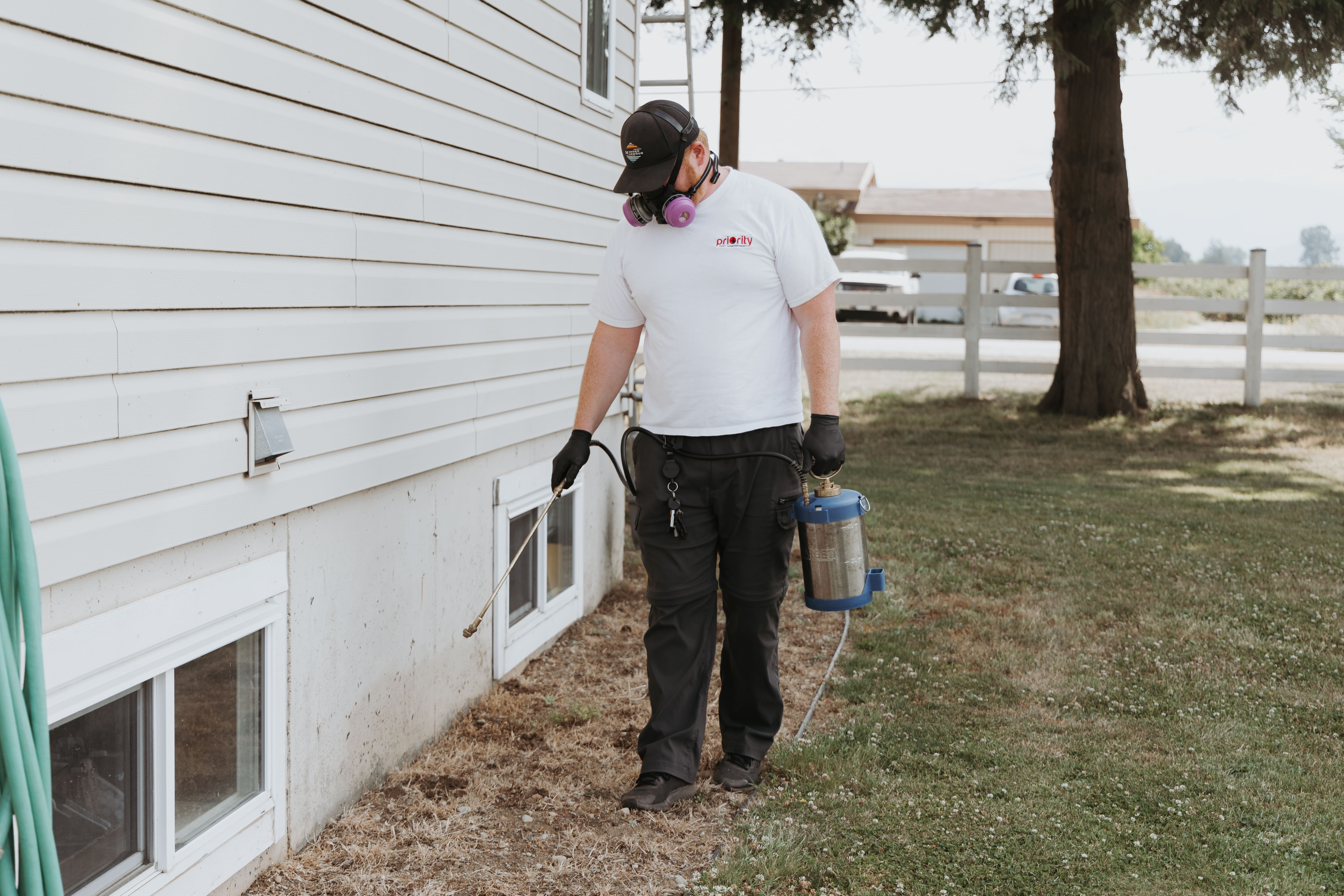
Grubs are the larval stage of beetles, most often chafer beetles in this part of the Fraser Valley. They live a few centimetres down and feed on grass roots through autumn and spring, which is why the damage shows up before anyone ever sees the insect.
The first sign is usually patchy yellowing that looks like drought stress but does not respond to watering. Underneath, the roots are being eaten away, so the turf loses its anchor. The test is simple: take a corner of an affected patch and pull. Healthy turf resists. Grub damaged turf lifts away like a loose rug, often with no root mass at all underneath.
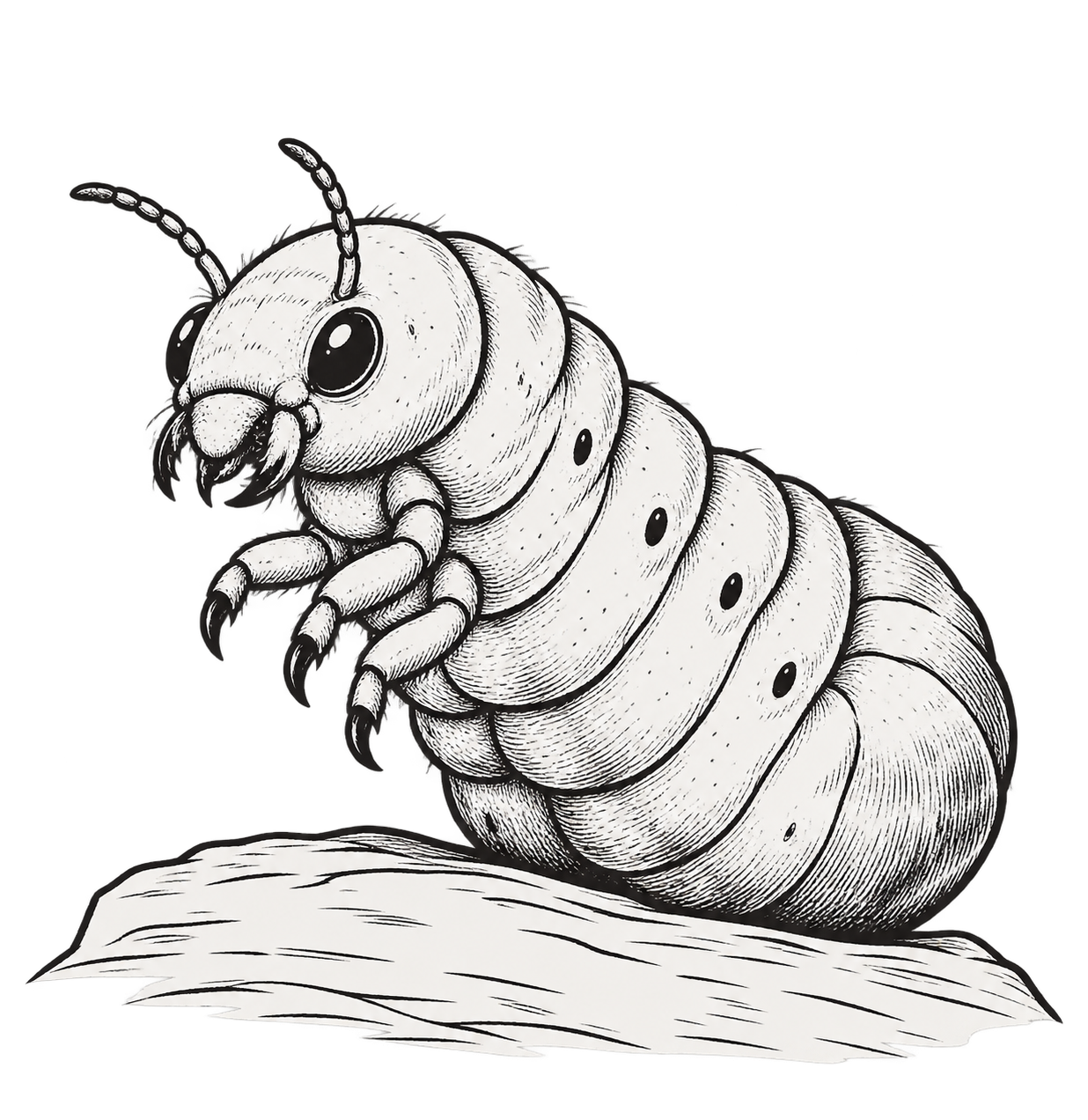
Pull it back and you will see them. Creamy white, about 2 cm, curled into a firm C shape with a brown head and visible legs near the front.The other sign is the one most people notice first, and it is not subtle. Sections of lawn torn up overnight, turf flipped over, soil scattered across the grass. That is not the grubs. That is crows, raccoons and skunks digging for them, and they do more visible damage in a week than the grubs do in a season.
A handful of grubs in a square foot of soil is normal and not worth treating. It becomes a problem when the population is high enough to kill root systems or attract enough digging to wreck the surface.
If you have moles, something in your soil is feeding them, and grubs are often a large part of it.
Moles are insectivores. They are not eating your grass or your plant roots, they are hunting the grubs, worms and larvae living in the soil, and they tunnel wherever the food is densest. A lawn with a healthy grub population is a good reason for a mole to move in and stay.
That is why mole control and grub control are usually the same conversation. Trapping moles while leaving a thriving food supply underneath tends to produce a quiet few weeks followed by a new mole moving into the same tunnel network. Reducing what is in the soil makes the ground less worth occupying in the first place.
It cuts both ways. If you are seeing molehills and surface tunnels, it is worth checking the turf for grub damage before assuming the mole is the whole problem. We will check both when we come out, because treating one and ignoring the other rarely holds.
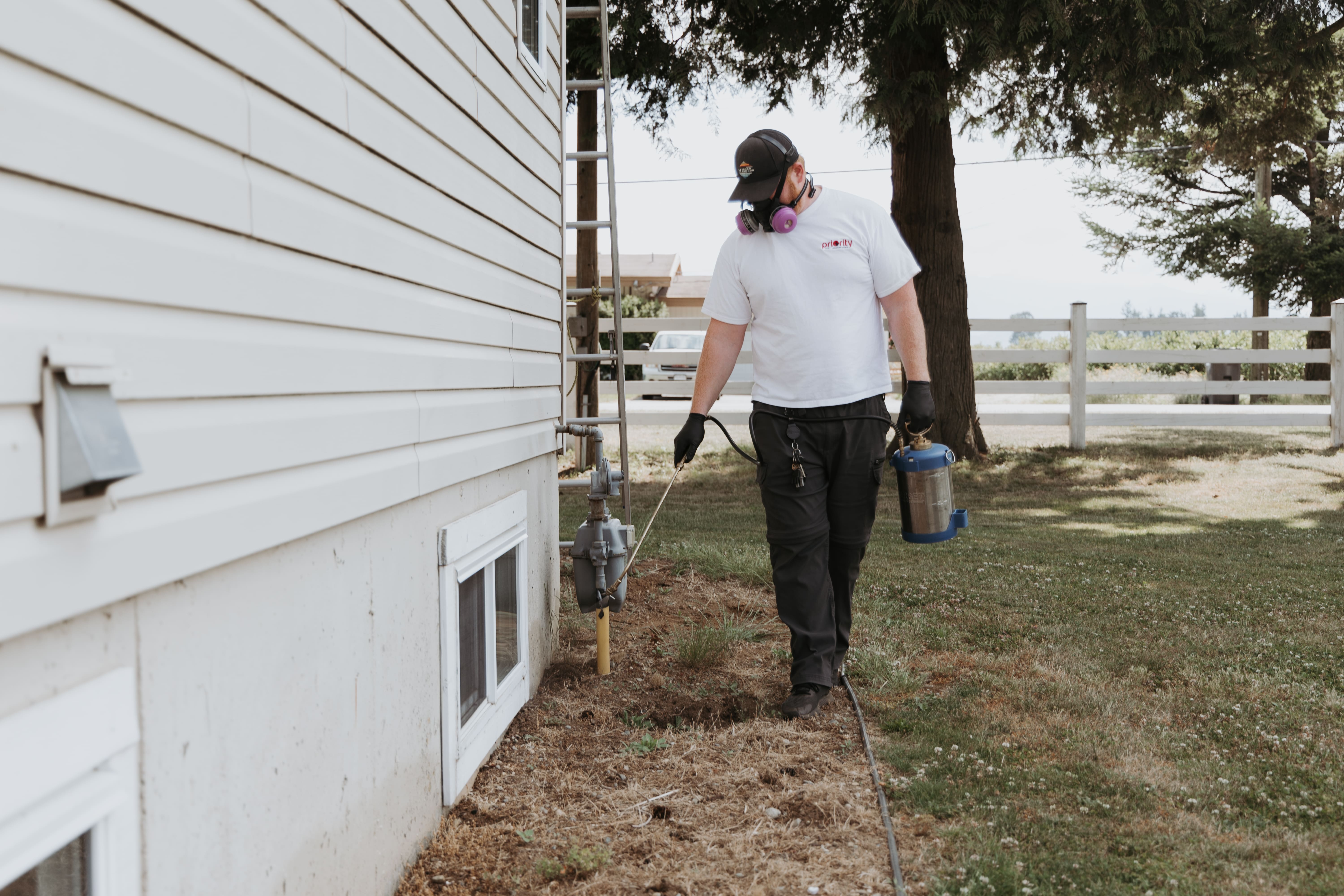
Treatment stops the damage continuing. It does not repair what has already happened, and nobody should tell you otherwise.
Where the turf has lost its roots, it is not coming back and will need reseeding or new sod. Timing matters here too. Early autumn is the better window in this climate, with warm soil and reliable rain, though spring works if autumn has passed. Loose turf should be pressed back down and watered well if roots are still partly attached, since some of it will re establish.
Longer term, a lawn with deeper roots handles grub pressure better than a shallow one. Watering less often but more deeply, mowing a little higher, and dealing with heavy thatch all help. None of that eliminates grubs, but it raises the number your lawn can carry before the damage shows.
European chafer has been established across the Lower Mainland for years and Abbotsford lawns are well within the affected area. The local pattern is consistent enough to plan around, which is the advantage of working with someone who treats lawns here every season rather than guessing at the calendar.
Click on a pest to learn about warning signs, root causes, and our proven elimination strategies.

Rats are searching for food, warmth, and shelter. They often gain access through gaps in the foundation, wall vents, open garage doors, or easily accessible gutter lines and roof points. Cluttered yards, garbage, and pet food attract them to the property.
We begin with a thorough inspection to identify entry points and nesting zones. All accessible entry points are professionally sealed, and tamper-resistant traps are placed in high-activity areas. We return for two follow-up visits to monitor and adjust traps, ensuring the issue is fully resolved.

Mice enter through tiny gaps — as small as a dime — in search of food and shelter. Cold weather, food crumbs, and poorly sealed structures make homes ideal nesting grounds.
We perform a full inspection to find entry points and nesting sites, then seal off all accessible entry points. Traps are strategically placed in high-activity areas. Follow-up visits ensure traps are cleared and that no new activity is present.

Ants follow scent trails to food or water. They’re often drawn inside by crumbs, spills, or moisture.
We target nests using gel baits, perimeter sprays, and barrier treatments — safely eliminating ants at the source.

Wasps are attracted to sugary food and protein. They often build nests in sheltered areas like attics, soffits, or trees.
We locate and safely remove nests using professional-grade aerosols and protective equipment — with follow-up to prevent re-nesting.

Silverfish love moisture and darkness. They feed on starchy items like paper, books, cardboard, and even clothing.
We apply targeted residual insecticides and monitor for activity. Our moisture management and exclusion services help ensure long-term control.

Grubs are beetle larvae that feed on grassroots. They thrive in well-watered lawns and lay eggs in summer.
We apply seasonally timed grub control treatments, reducing larval populations and protecting your lawn from further damage.

Moles tunnel in search of earthworms and grubs. Well-irrigated, healthy lawns are ideal hunting grounds.
We identify active tunnels, set effective underground traps, and return for multiple follow-ups to eliminate mole activity fully.

Squirrels commonly enter homes through roof gaps, soffits, or vents, looking for a safe, warm place to nest — especially during colder months or baby season. Nearby trees or roof access points make entry even easier.
We install one-way exclusion doors that allow squirrels to exit safely but not return. Once we’ve confirmed all squirrels have left the structure, we seal up all entry points to prevent re-entry, keeping your home protected long-term.

Roaches thrive in warm, humid areas with access to food. Even clean homes can attract them via grocery bags or plumbing voids.
We use professional-grade baits, dusts, and insect growth regulators, combined with crack-and-crevice treatments for full elimination.

Bed bugs hitchhike on luggage, furniture, or clothing. They are drawn to body heat and carbon dioxide.
We offer detailed inspections and multi-step heat or chemical treatments to eliminate all life stages — with follow-up support included.

Spiders are drawn to dark, quiet areas and enter homes while hunting for insects.
We use targeted residual sprays, remove webs, and seal entry points to reduce spider presence inside and out.
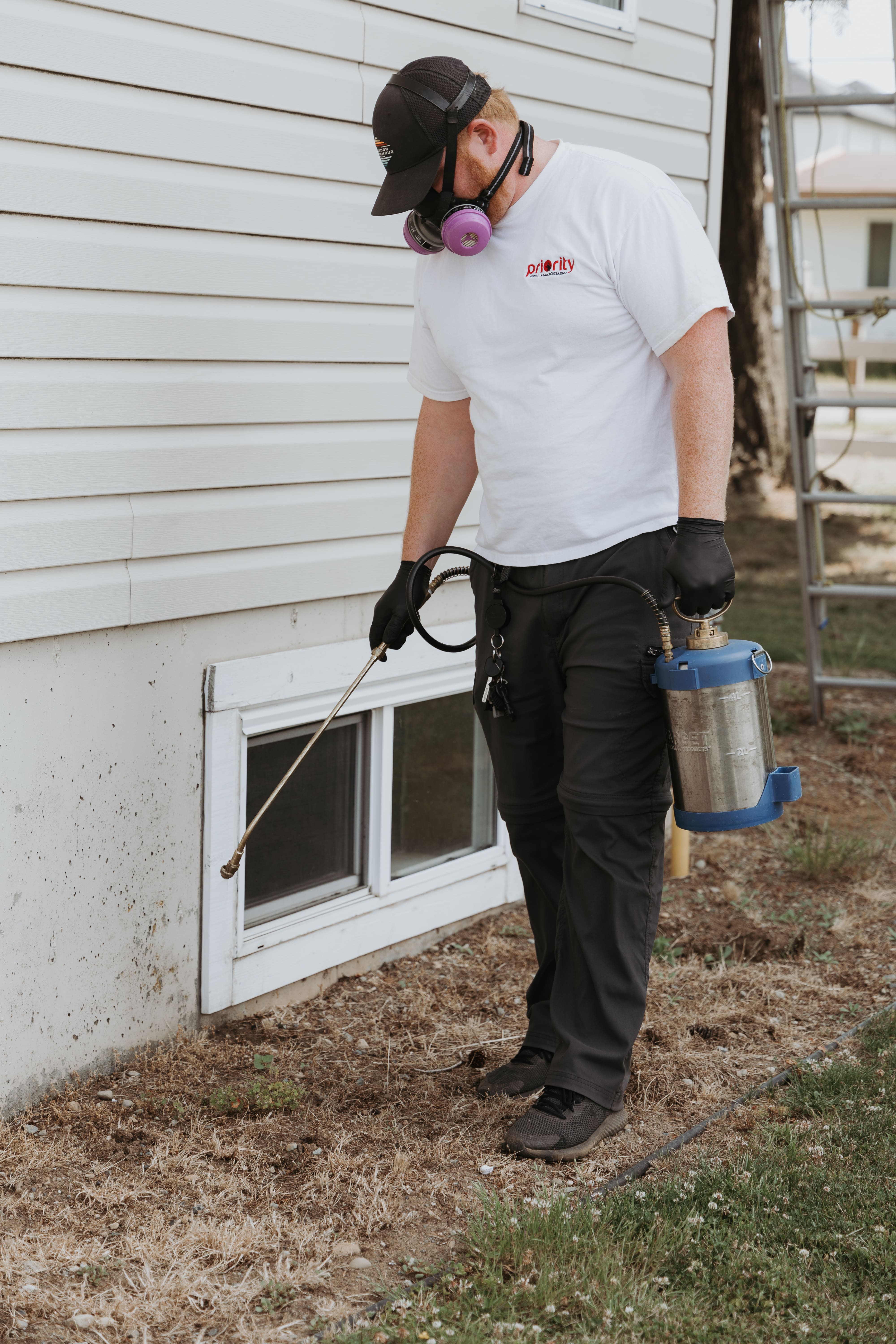
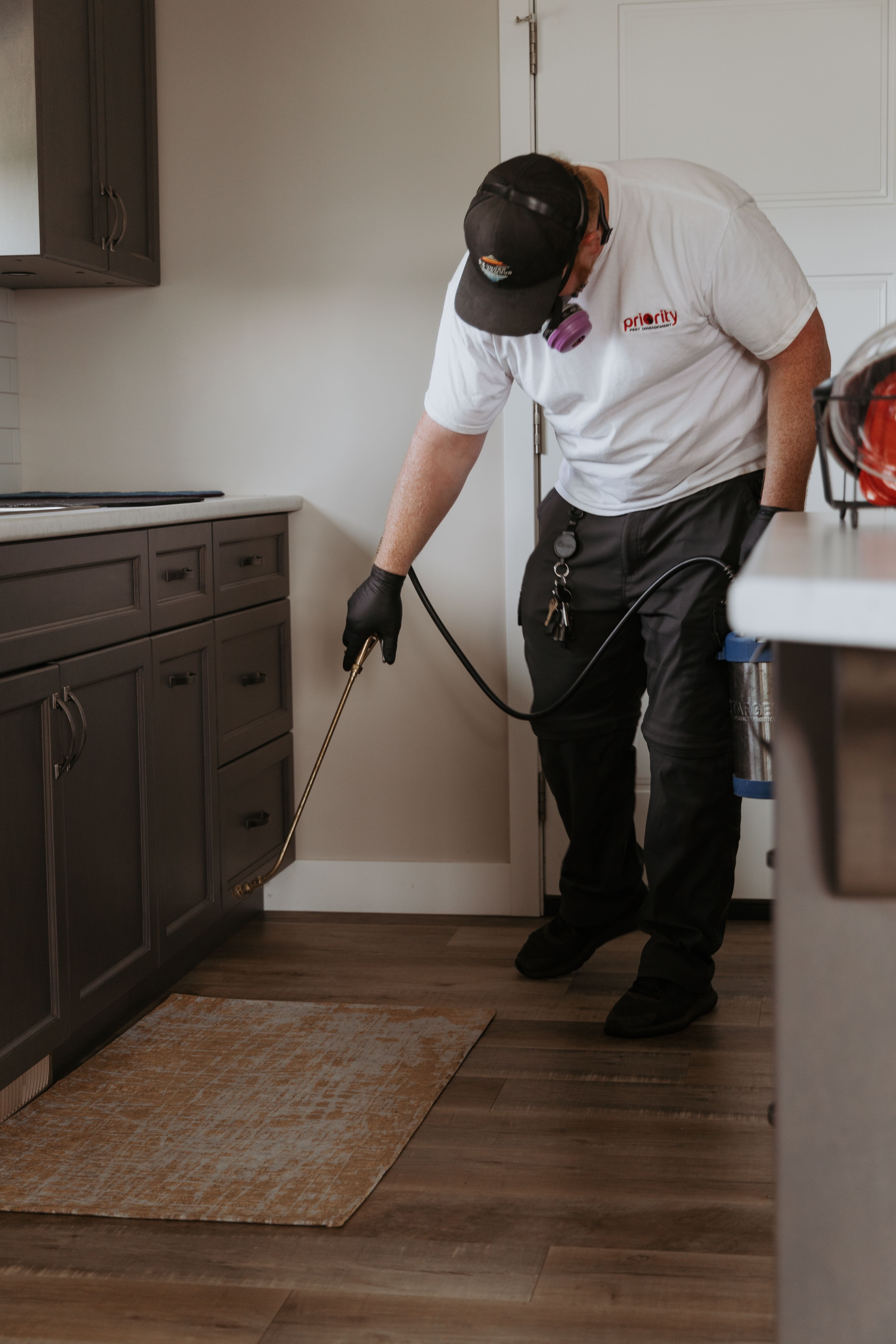
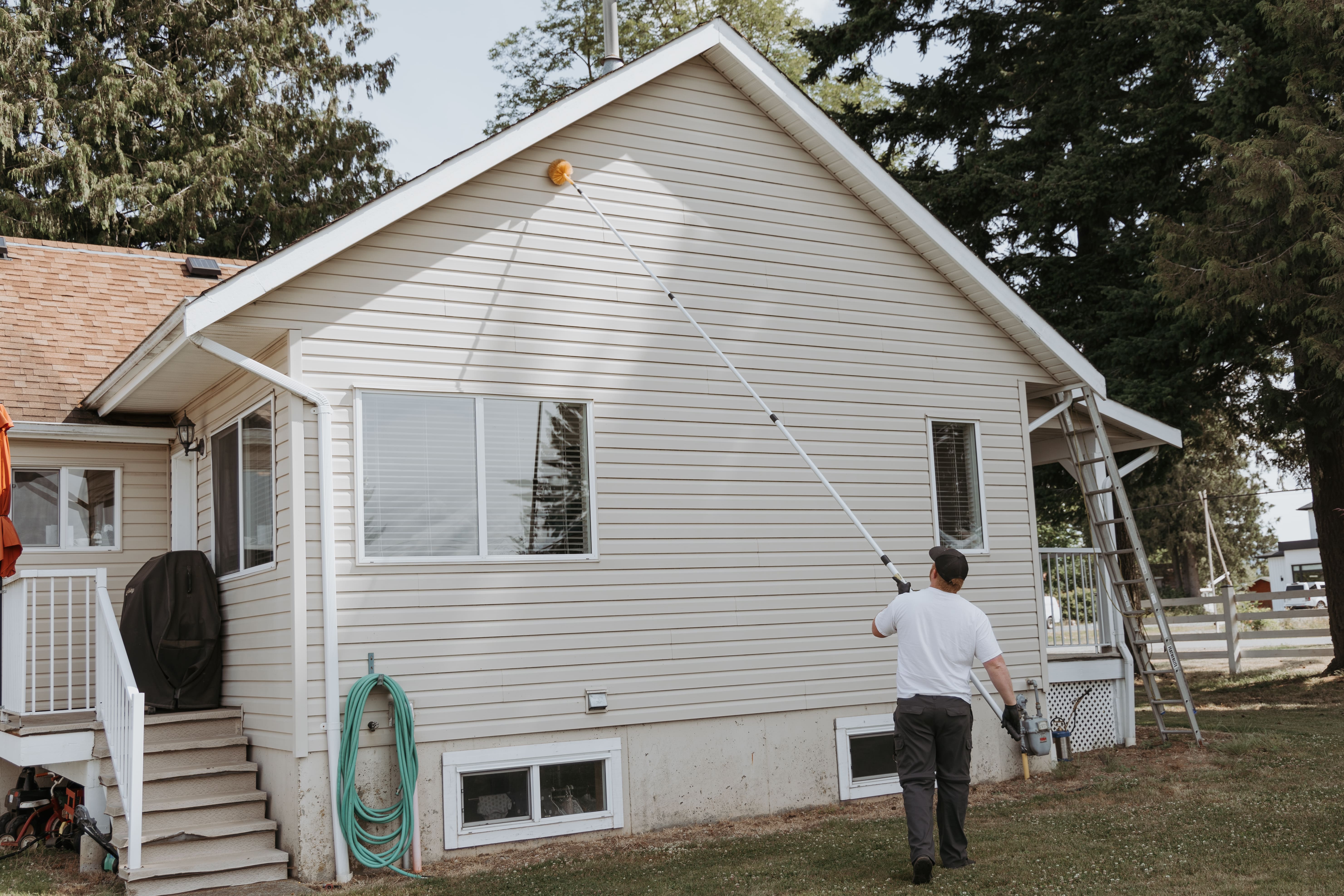
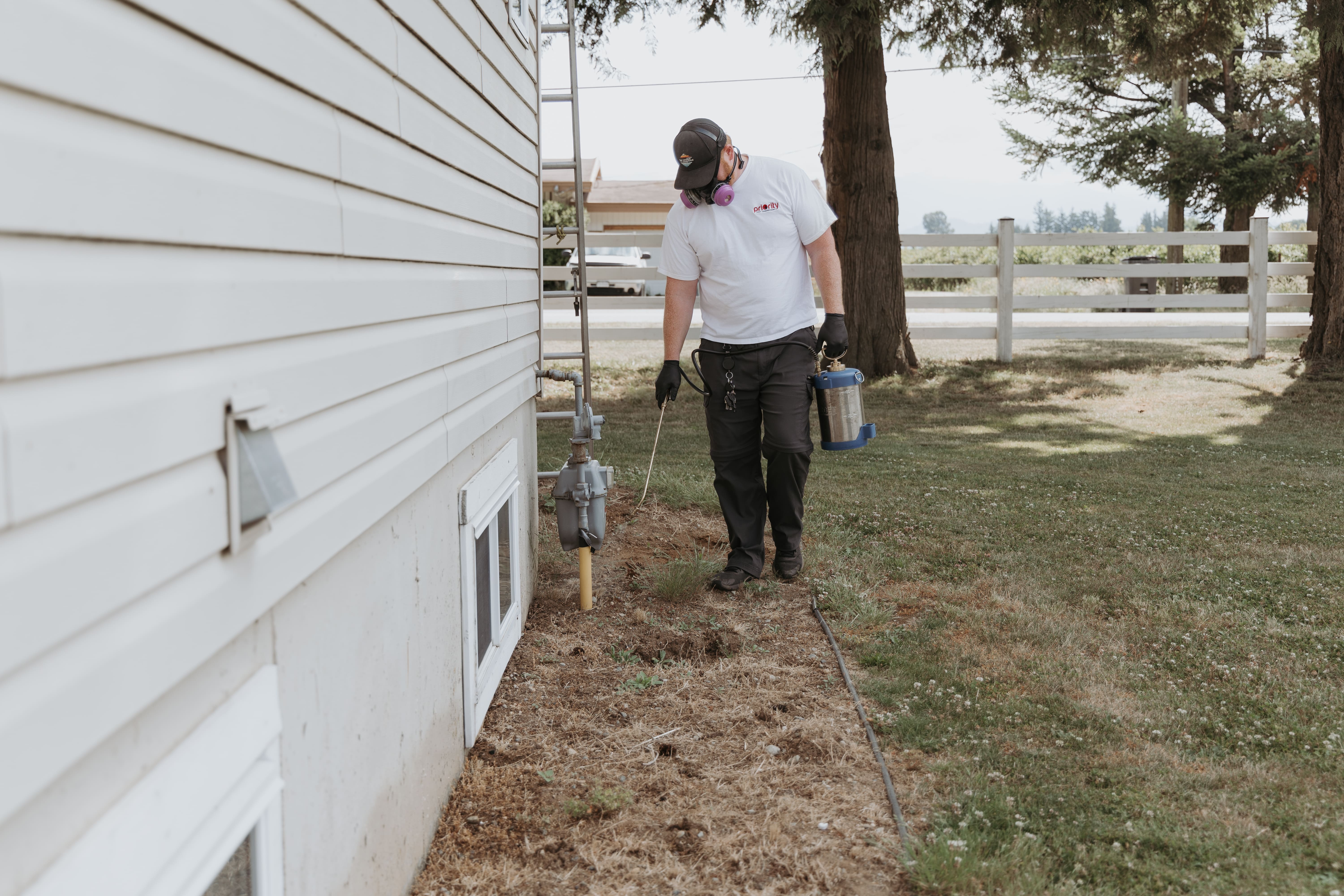


Most grub calls reach us after the lawn has already been dug up, which usually means the treatment window for that generation has passed. We will tell you that rather than sell you an application that will not work, and we will book you in at the right point next season. If moles are part of the picture, we will deal with both, because handling one on its own tends not to hold.


By the time crows and raccoons are tearing up the turf, the grubs have been feeding for months. The initial inspection is free, so you can find out what is actually in the soil and when treatment will do the most good. We are your Abbotsford neighbours and we will give you a straight answer on timing.

Our Support and Sales team is available
24 /7 to answer your queries

